This business operates in the surplus and secondary market, acquiring and reselling a wide range of industrial and commercial equipment through a fully online model. The company has built a consistent revenue engine by sourcing discounted inventory through auctions and direct relationships, then processing, listing, and selling products through established e-commerce channels.
The operation is lean and process-driven, with day-to-day fulfillment handled by a trained team member responsible for receiving, testing, processing, photography, and shipping. The current owner primarily focuses on sourcing inventory, pricing strategy, and oversight of operations.
Notably, the business does not require a full-time owner to maintain current performance. The owner is actively involved on a part-time basis, averaging approximately 20–25 hours per week. This reflects both the efficiency of the operating model and the systems already in place, while also indicating clear capacity for a more hands-on owner.
Revenue is highly diversified across a large volume of transactions, with no customer concentration risk. The customer base consists primarily of end users purchasing individual items, with over 150–200 transactions per month and minimal repeat dependency due to the varied nature of inventory.
The business operates entirely online, with demand driven by marketplace visibility and inbound traffic. Sales are fulfilled globally, with the majority of buyers located within the United States. There is no reliance on a physical retail presence, and many administrative functions can be performed remotely.
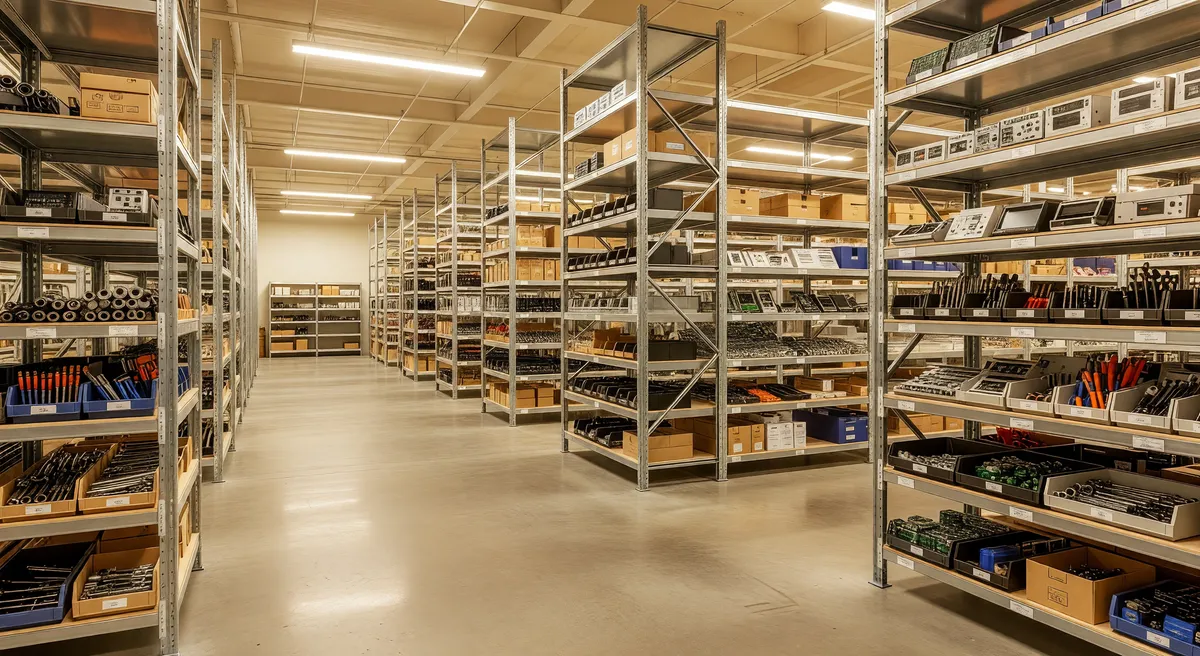
Operations are supported by a well-organized warehouse and processing facility. The current location includes recently expanded storage capacity with upgraded pallet racking, high ceilings, and functional infrastructure designed to handle increased inventory volume. The facility is fully utilized but positioned to support continued growth with improved throughput.
From a competitive standpoint, the market remains fragmented. On the sourcing side, experienced buyers are limited, and success is largely driven by the ability to identify undervalued opportunities and act quickly. On the sales side, pricing discipline and inventory selection mitigate competitive pressure.
There is a clear path for growth. Increasing deal flow through outbound marketing and lead generation represents a meaningful opportunity, particularly by reactivating paid advertising channels and dedicating resources to inbound seller inquiries. Additional upside exists in scaling purchasing capacity, expanding inventory processing throughput, and building direct supplier relationships.
The business would be a strong fit for an owner-operator, e-commerce entrepreneur, or buyer with experience in sourcing, resale, or inventory-based businesses. While the operational processes are straightforward, the ability to evaluate and acquire inventory at favorable pricing is the primary value driver and will be a key focus during transition.
The seller is willing to provide training and support to ensure a smooth handoff, including guidance on sourcing, pricing, and platform management.